
Why Does My Washer Smell Like Rotten Eggs? A Complete Guide to a Fresh Machine
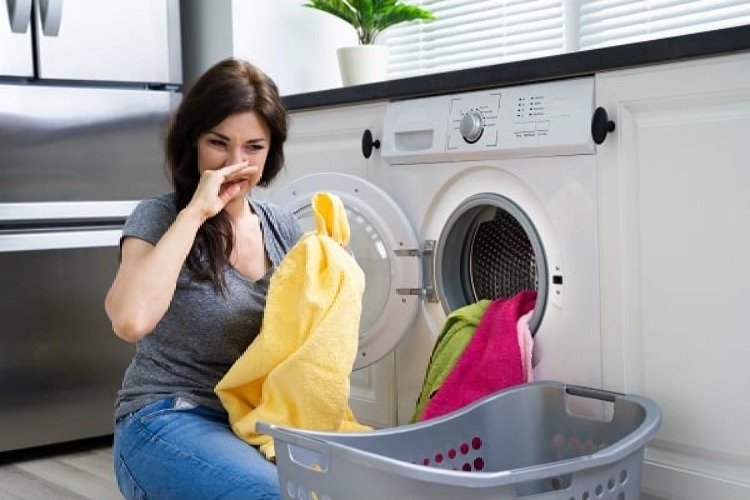
There is nothing quite as discouraging as pulling a fresh load of laundry out of the machine only to be met with a sharp, swampy odor. You expect your clothes to smell like spring meadows, but instead, you are left wondering: why does my washer smell like rotten eggs? This common household problem is more than just a nuisance; it is a sign that bacteria, mold, or stagnant water have taken up residence inside your appliance.
In this guide, we will dive deep into the science of washing machine odors. You will learn the primary causes of that sulfur-like smell, how to distinguish between a simple cleaning issue and a serious safety concern, and the exact steps you can take to sanitize your machine. Whether you have a high-efficiency front-loader or a traditional top-loader, this expert advice from Bolt Laundry Service will help you restore your laundry room to a fresh, clean sanctuary.
What Causes the Rotten Egg Smell in Your Washer?
When a washing machine begins to emit a sulfurous or “rotten egg” scent, the culprit is usually hydrogen sulfide gas. This gas is a byproduct of bacteria colonies that thrive in dark, damp, and warm environments—precisely the conditions found inside your washing machine drum and internal hoses.
There are three main reasons these bacteria start to grow:
-
Biofilm Buildup: Over time, a mixture of undissolved detergent, fabric softener, and body oils forms a slimy layer known as biofilm. This film sticks to the outer drum and crevices where you can’t see it, providing a feast for odor-producing bacteria.
-
Stagnant Water: If your machine isn’t draining properly, a small amount of water can sit in the bottom of the tub or the drain hose. After a few days, this water turns stagnant and begins to rot.
-
Mold and Mildew: While mold usually smells “musty,” certain types of fungal growth combined with trapped debris can create a more pungent, chemical-like sulfur smell.
Safety Warning: If you smell rotten eggs throughout your entire house and not just near the washer, or if the smell persists when the washer hasn’t been used, you may have a natural gas leak or a dried-out P-trap in your plumbing. In these cases, contact a professional plumber or your gas company immediately.
Why Front-Load Washers are More Prone to Odors
If you own a front-load washing machine, you are significantly more likely to encounter the question, “why does my washer smell like rotten eggs?” This is due to the specific design of high-efficiency (HE) front-loading units.
Front-load machines use a large rubber gasket (the bellows) to create a watertight seal around the door. Because this gasket is folded and ribbed, it is the perfect place for moisture and lint to get trapped. When the door is closed immediately after a wash, the airtight seal prevents the interior from drying out. This creates a literal incubator for bacteria.
Furthermore, HE machines use less water. While this is great for the environment, it means there is less volume to “flush out” excess suds. If you use too much detergent, those suds stay behind, turn into biofilm, and eventually start to stink.
Step-by-Step: How to Remove the Rotten Egg Smell
If the smell has already taken hold, a quick rinse won’t fix it. You need to perform a deep clean. Follow these steps to sanitize your machine:
-
Clean the Rubber Gasket: Mix a solution of one part bleach to ten parts water. Pull back the folds of the rubber seal and wipe away any slime, hair, or debris. You may be surprised—and disgusted—by what you find hidden in there.
-
Run a Deep Clean Cycle: Set your machine to the “Clean Washer” cycle or the hottest possible setting. Instead of detergent, add two cups of white vinegar or a specialized washing machine cleaner tablet directly to the drum.
-
The Secondary Rinse: After the vinegar cycle, run one more hot cycle with a cup of baking soda. This helps neutralize any remaining acidity and scrubs the outer drum.
-
Clear the Drain Pump Filter: Most front-loaders have a small door at the bottom front. Open it, place a towel down, and unscrew the filter. Clean out any trapped coins, lint, or stagnant water that has been sitting there.
-
Wipe the Dispensers: Pull out the drawer where you put your detergent and softener. Scrub away any dried-on blue or clear goo, as this is a primary source of biofilm.
Maintenance Tips to Prevent Future Smells
The best way to handle a smelly washer is to never let the smell start in the first place. Consistency is key to washing machine maintenance.
-
Leave the Door Open: This is the #1 rule for front-load owners. After every load, leave the door ajar for at least two hours to allow the drum and gasket to dry completely.
-
Switch to High-Efficiency (HE) Detergent: If your machine is an HE model, you must use HE detergent. Regular detergent creates too many suds, which lead to the biofilm buildup mentioned earlier.
-
Use the Right Amount: More soap does not mean cleaner clothes. In fact, excess soap stays in the machine and on your clothes, trapping bacteria. Use the minimum recommended amount.
-
Perform Monthly Maintenance Washes: Even if the machine doesn’t smell, run an empty hot cycle with a cleaner once a month to “reset” the interior environment.
Common Mistakes in Washing Machine Care
Many homeowners accidentally sabotage their machines by trying to be too “gentle” or too “efficient.”
One common mistake is exclusively using cold water. While cold water is better for certain fabrics and energy bills, it doesn’t effectively dissolve body oils or many modern detergents. At least once a week, run a load of whites or towels on a hot cycle to help “flush” the system.
Another error is using too much fabric softener. Softener is essentially a liquid wax. It coats the inside of your machine’s hoses and outer tub with a sticky layer that bacteria love to call home. If you want soft clothes without the smell, consider using white vinegar in the softener dispenser instead—it softens the water and helps kill bacteria simultaneously.
Professional Solutions for Busy Lifestyles
Sometimes, despite your best efforts, a washing machine reaches a point where DIY cleaning isn’t enough, or your schedule simply doesn’t allow for deep-cleaning appliances every month. This is where professional help makes a difference.
For families, using a wash and fold laundry service removes the burden of machine maintenance entirely. You get perfectly clean, fresh-smelling clothes without ever having to worry about gaskets, filters, or biofilm.
For business owners, the stakes are even higher. A smelly machine can ruin a reputation. Utilizing a commercial laundry service ensures that your linens are processed in industrial-grade machines that are maintained to the highest sanitary standards, ensuring that “rotten egg” smell never touches your customers’ experience.
Conclusion
So, why does my washer smell like rotten eggs? Most of the time, it is simply a case of trapped moisture and detergent buildup creating a breeding ground for sulfur-producing bacteria. By cleaning your gasket, clearing your filters, and allowing your machine to breathe between loads, you can eliminate the odor and protect your clothes from secondary contamination.
Your washing machine is an investment in your home and your wardrobe. Taking ten minutes a month to maintain it will save you hundreds of dollars in repair bills and the headache of smelly laundry. If you find yourself overwhelmed by the demands of laundry day, remember that professional services are always available to take the load off your hands—and keep the rotten egg smell far away from your home.
